Side-by-side or overlay PDF diff driven by one engine that reads each file into a structured model — text, vector geometry, images, form fields, annotations — and compares the models. Moves show as moves, edits show only where they happened, and any PDF type works without picking a mode.
Open a STEP / STP part and it measures itself — volume, thinnest wall, draft and undercut checks on load, plus hole detection with a BOM. Measure, section, export STL. Rust + WASM B-rep kernel, runs in your browser.
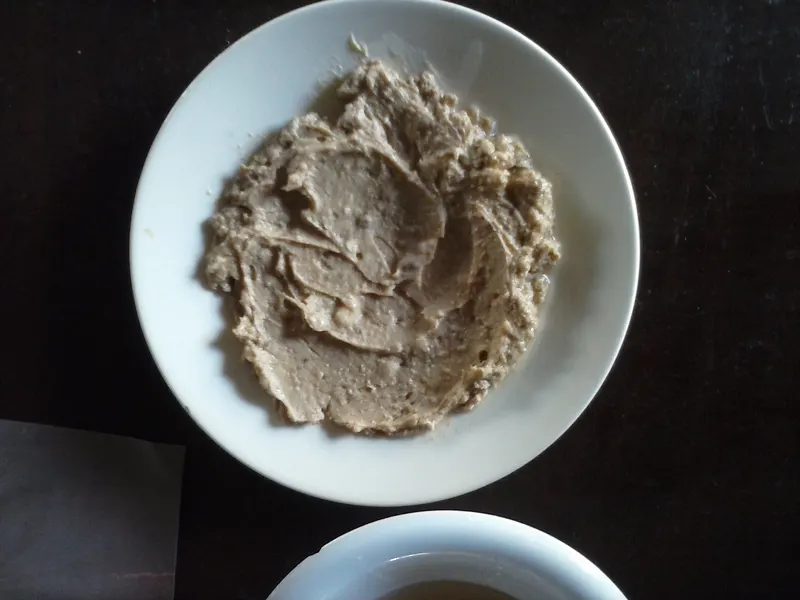
Mish is one of Egypt's oldest dairy foods. Karish cheese is brined, mostly in an earthenware jar, with extras that can include sour milk, buttermilk, peppers, salt and a portion of old mish that acts as the starter. It pickles with little air for more than a year, and both the sharp, salty cheese and its pickling liquid are eaten.
What changes:Karish cheese is the starting material
Step 1 of 4
Start from Karish cheese
Time
Not documented
Temperature
Not documented
Salt
None given
Acidity
Not documented
Which microbes the steps name, step by step
Lactococcus
Streptococcus
Lactobacillus
Leuconostoc
Lactic acid bacteria
Flavour
Not documented
Texture
Not documented
Colour
Not documented
Microbes at work in this step
Not documented for this step.
Method
Measured measured in a studySet fixed by a specification or tested recipeReported one source reports itTypical a general value, not sourced for this fermentUnconfirmed not yet checked against a source
At a glance
Mish is one of Egypt's oldest dairy foods. Karish cheese is brined, mostly in an earthenware jar, with extras that can include sour milk, buttermilk, peppers, salt and a portion of old mish that acts as the starter. It pickles with little air for more than a year, and both the sharp, salty cheese and its pickling liquid are eaten. Made in 4 steps over 2 years. The longest step, pickle under the brine, takes at least 12 months (Hegab O.W 2020). Salt is 7.6 % (Hegab O.W 2020). Lactococcus, Streptococcus, Lactobacillus, Leuconostoc and Enterococcus, lactic acid bacteria detected in all three mish samples by 16S sequencing does most of the fermenting.
Mish is not ripened dry like most cheeses. Karish, a soft cheese, is pickled for more than a year in a mostly earthenware container with salt and extras that can include sour milk and peppers, with old mish acting as the starter.
Composition
Market samples averaged 58.70% moisture, 7.56% salt and 0.50 acidity
Market mish in one study carried enterotoxigenic Staphylococcus aureus and pathogenic E. coli, and its authors call for strict hygiene in making and handling. Another study found the highest biogenic amine levels of five Egyptian cheeses in mish, with histamine above the permitted limit.
Hazards the sources name: Enterotoxigenic Staphylococcus aureus; the 6 strains from mish samples carried the seb gene (the sed gene was found in Ras and Domiati strains); Enteropathogenic Escherichia coli O114, isolated from Mish samples.