Support

Browse by category

All categories
Cooking tools

Fermentation Atlas

How 2,836 fermented foods and drinks from 150 countries are made, step by step, with the time, temperature, salt and pH each source gives.

2,836 ferments150 countries1,158 with animated steps

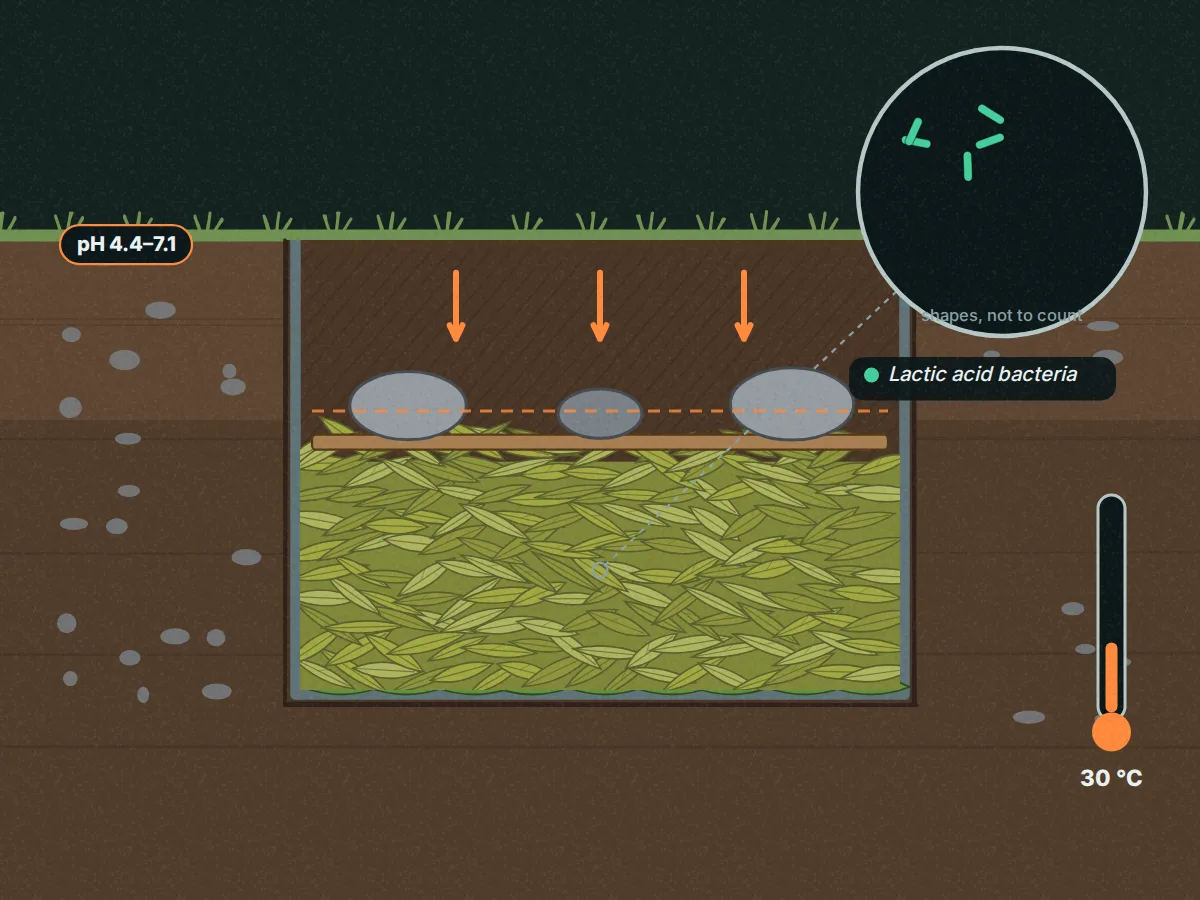
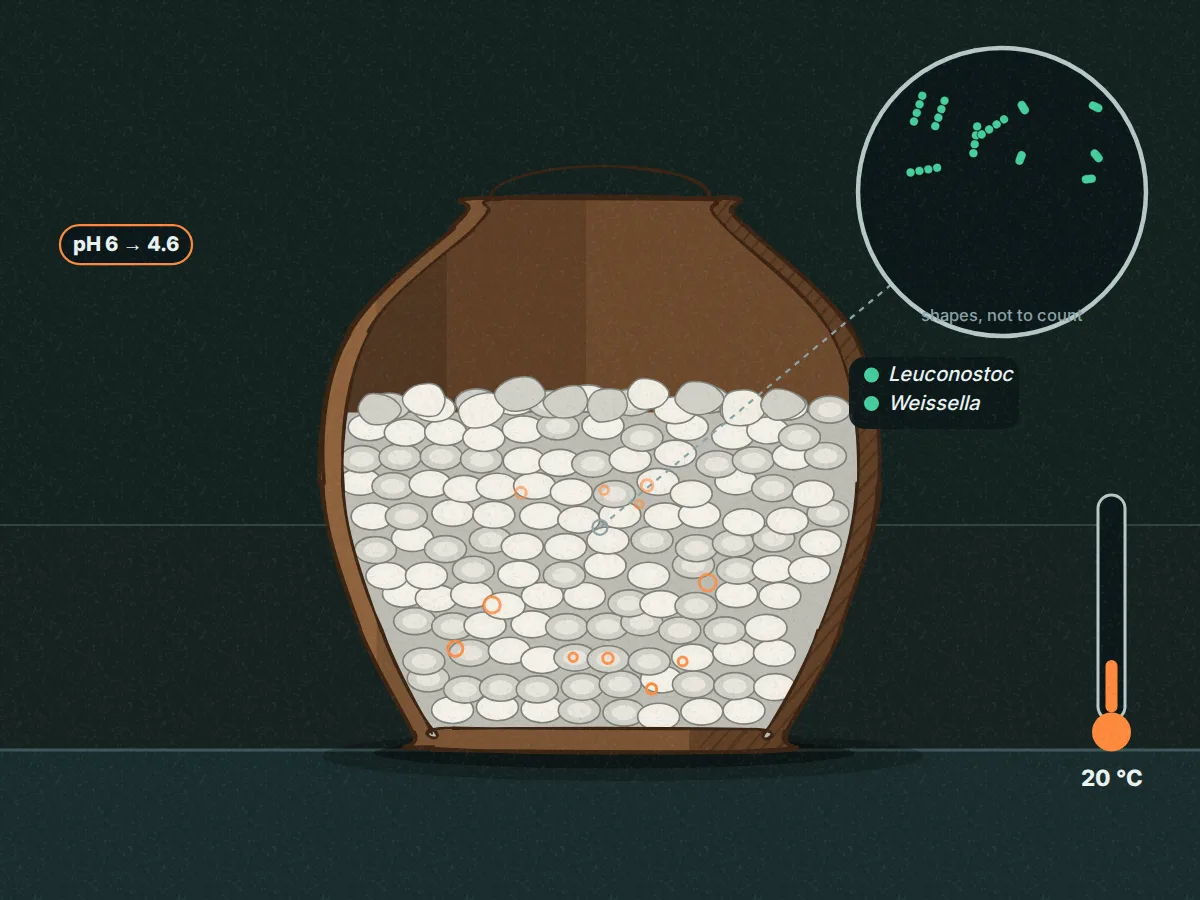
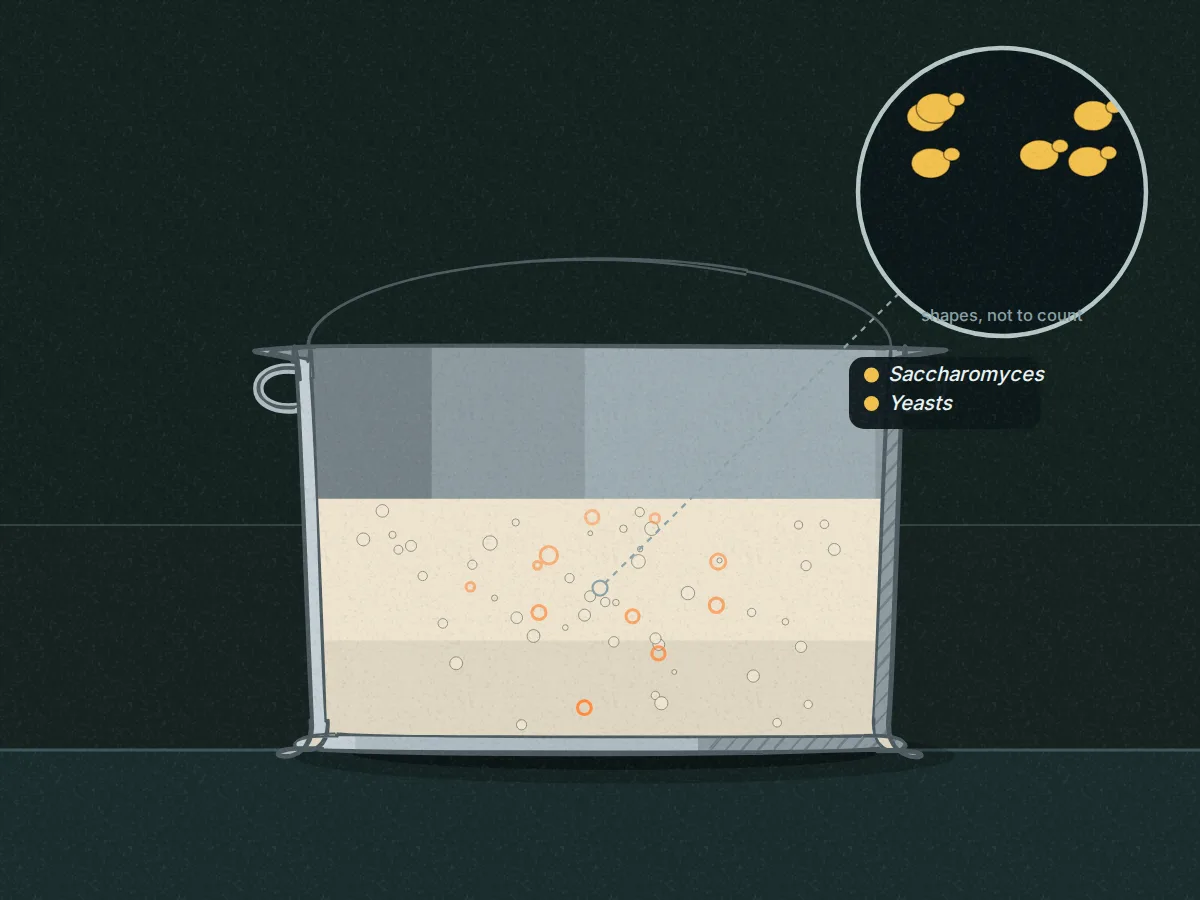
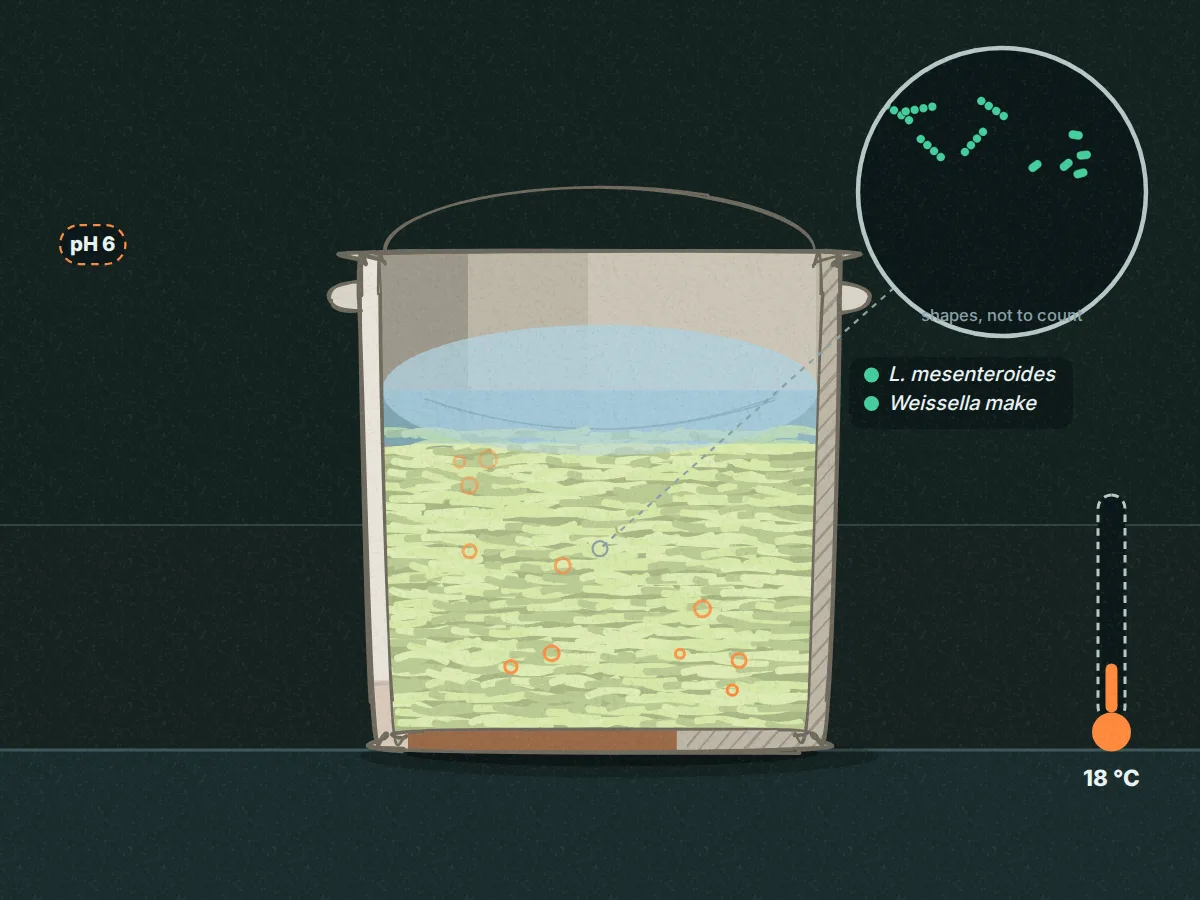
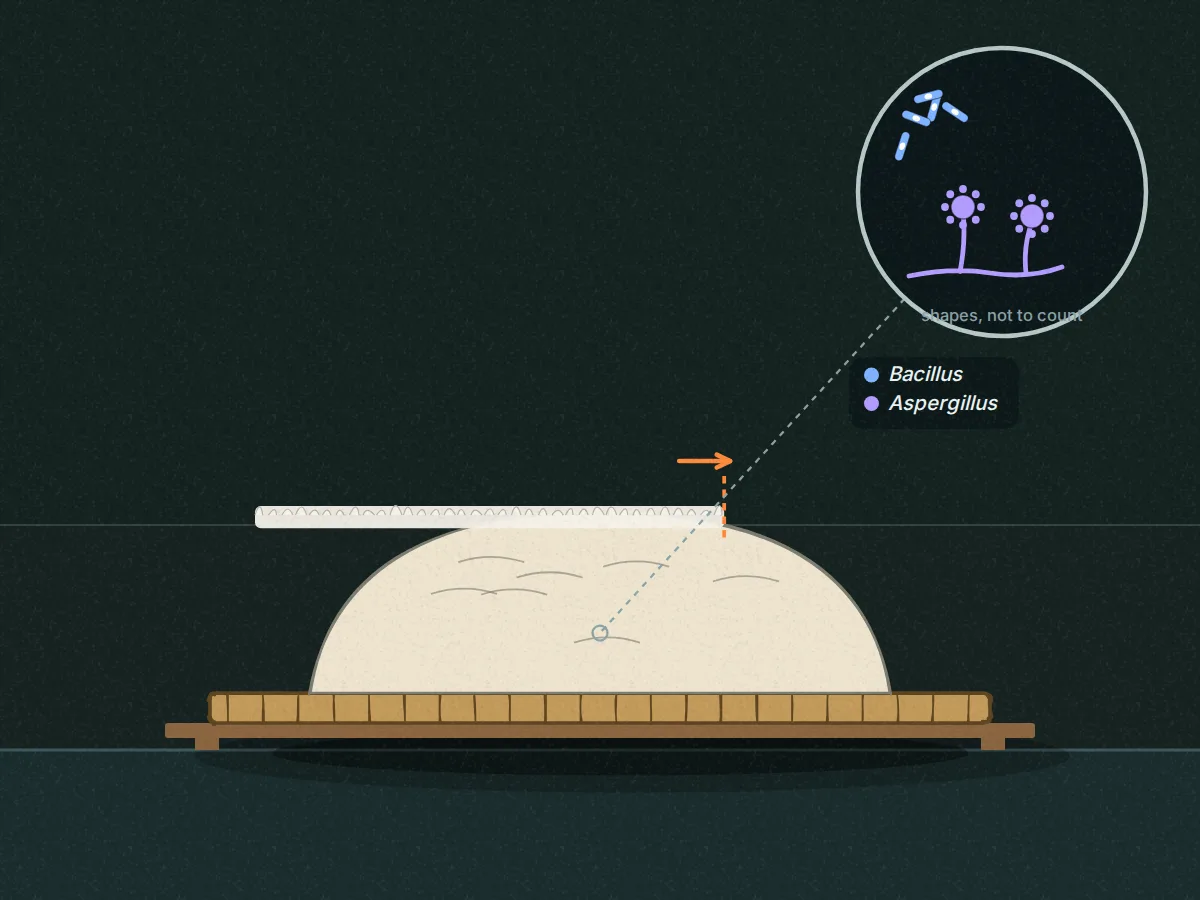
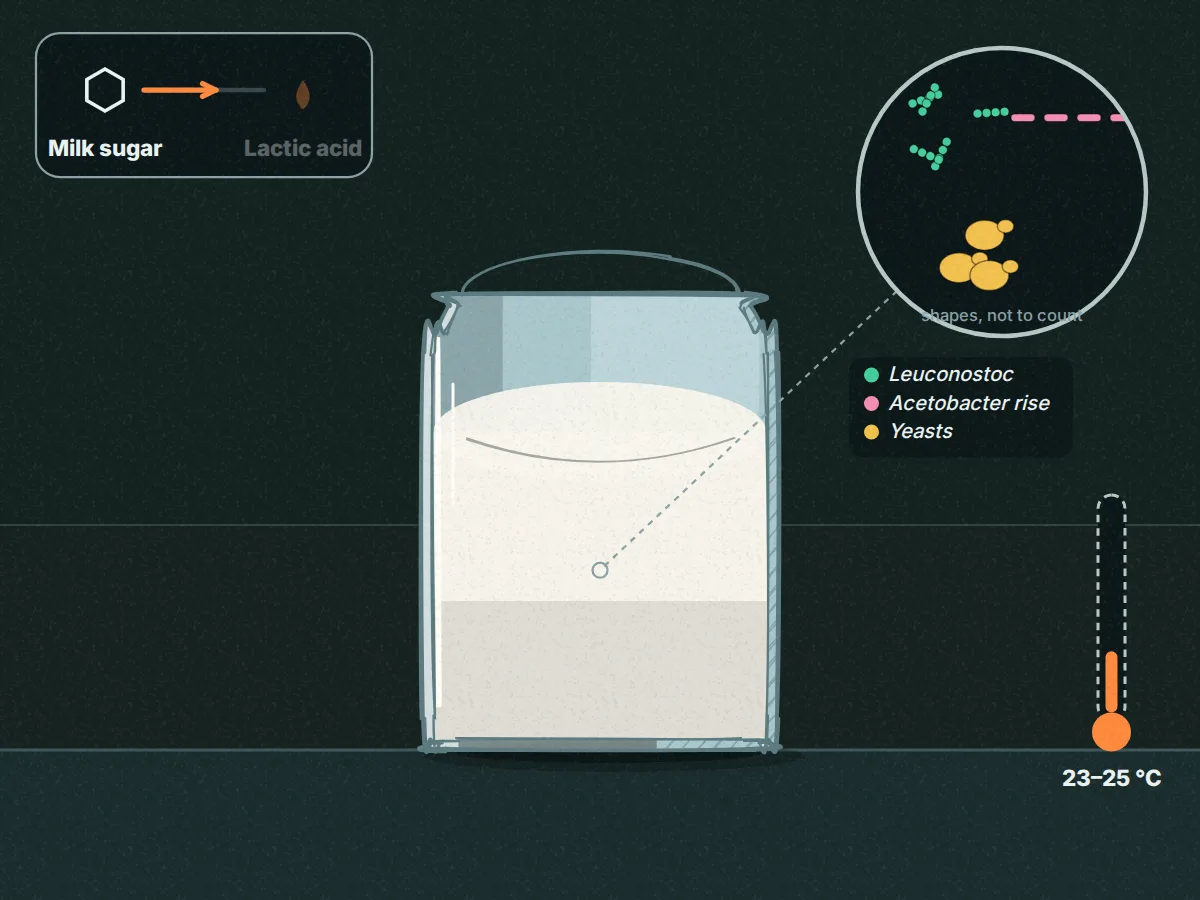
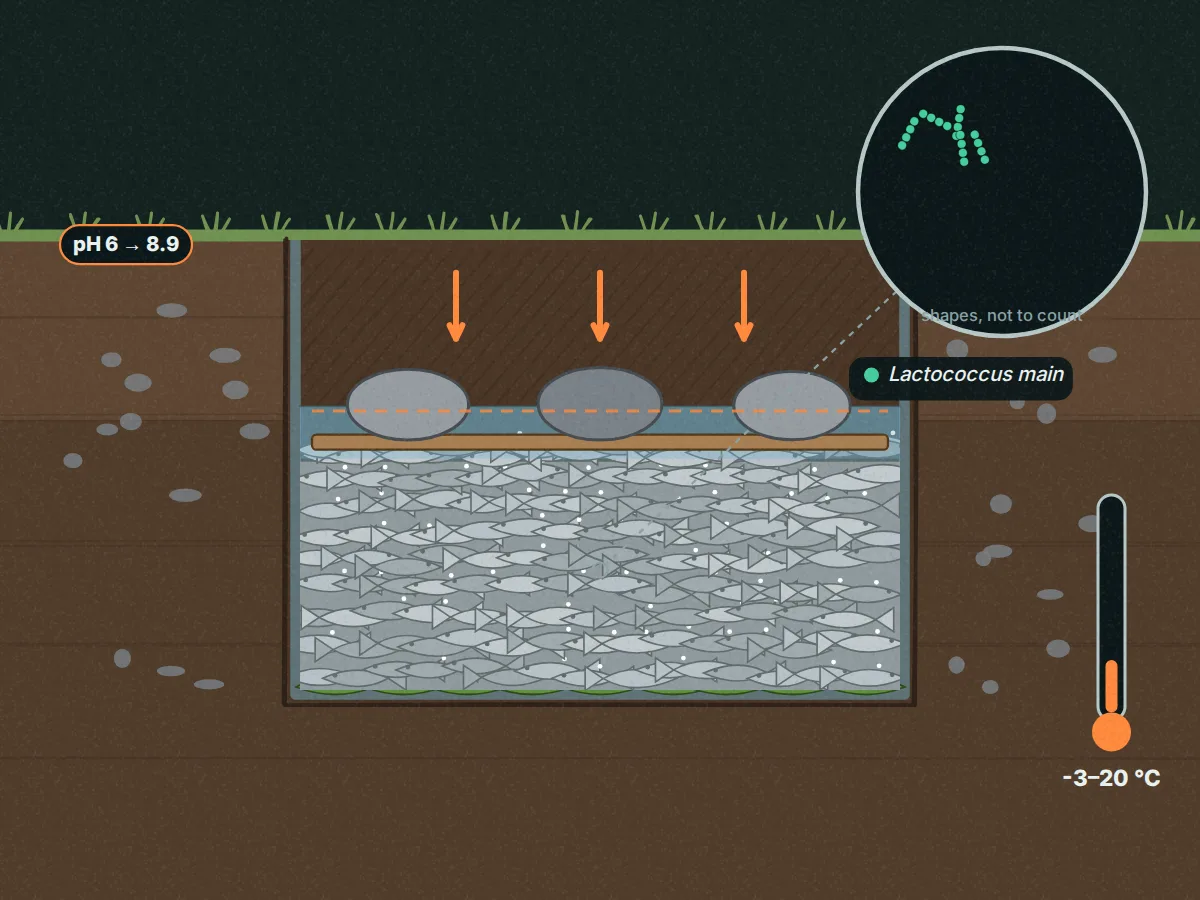
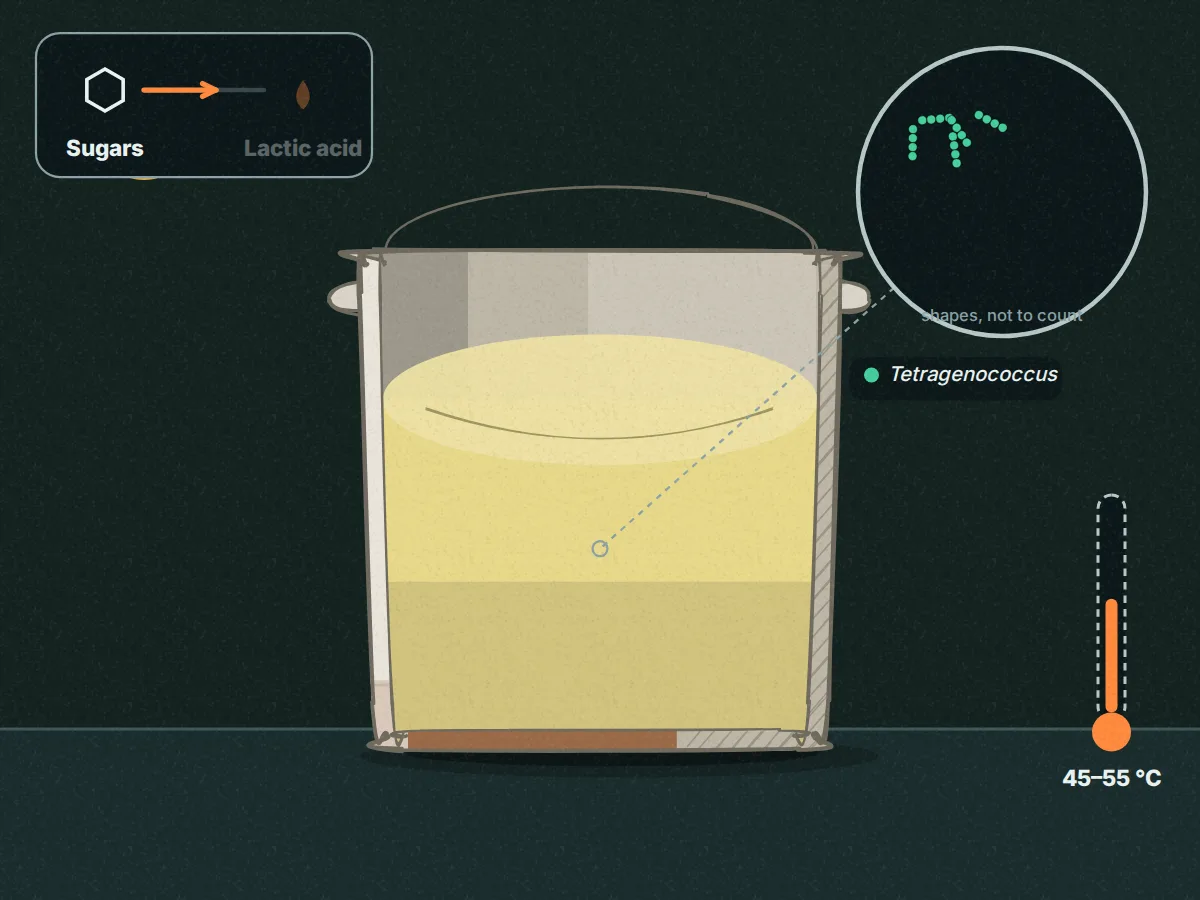
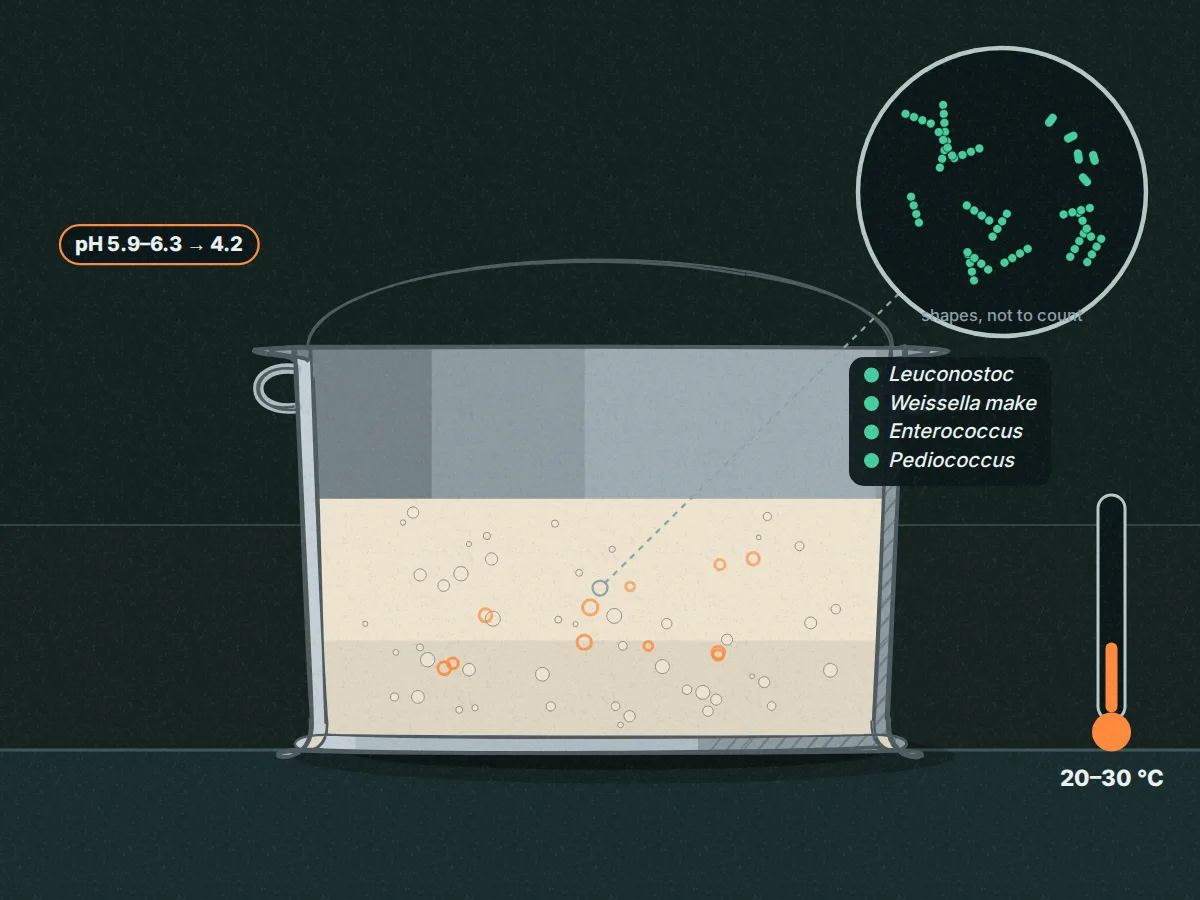
Lahpet: a drawing of one step of how it is made
LahpetTea leaf from Myanmar

Browse by kind

Browse by region

How to read the numbers

Every time, temperature, salt and pH value carries a label that says how it is known, and links to its source.

Measured
Measured in a study.
Set
Fixed by a specification or tested recipe.
Reported
One source reports it.
Typical
A general value, not sourced for this ferment.
Unconfirmed
Not yet checked against a source.

The atlas describes how ferments are made; it is not a food-safety guide. For home preserving, follow a tested recipe from a food-safety authority such as the USDA National Center for Home Food Preservation.

Questions

How many ferments are in the atlas?

Thousands, from every continent: fermented milks and cheeses, vegetables and fruit, tea leaf, soy and legume pastes, fish and meat, breads and batters, roots, starters, vinegars, and alcoholic and soft drinks. The catalogue was built by checking published indexes, national lists and research papers in many languages, and it keeps growing.

Where do the numbers come from?

From cited sources: protected-origin specifications, Codex and national standards, tested government recipes, peer-reviewed studies, theses and archives. Each value says how it is known. Values no source confirms are shown as unconfirmed rather than hidden, so you can see what is missing.

Why do some ferments have no page of their own?

Some ferments are documented only briefly, with few recorded steps or numbers. They are shown in full on their kind and country pages, so the atlas stays complete, and each one gets its own page once its sources give enough detail.

Can I use the atlas as a safety guide?

No. It describes how ferments are traditionally and commercially made and cites food-safety authorities where they set limits, but it is an educational reference. For home preserving, follow a tested recipe from a food-safety authority such as the USDA National Center for Home Food Preservation.