Side-by-side or overlay PDF diff driven by one engine that reads each file into a structured model — text, vector geometry, images, form fields, annotations — and compares the models. Moves show as moves, edits show only where they happened, and any PDF type works without picking a mode.
Open a STEP / STP part and it measures itself — volume, thinnest wall, draft and undercut checks on load, plus hole detection with a BOM. Measure, section, export STL. Rust + WASM B-rep kernel, runs in your browser.
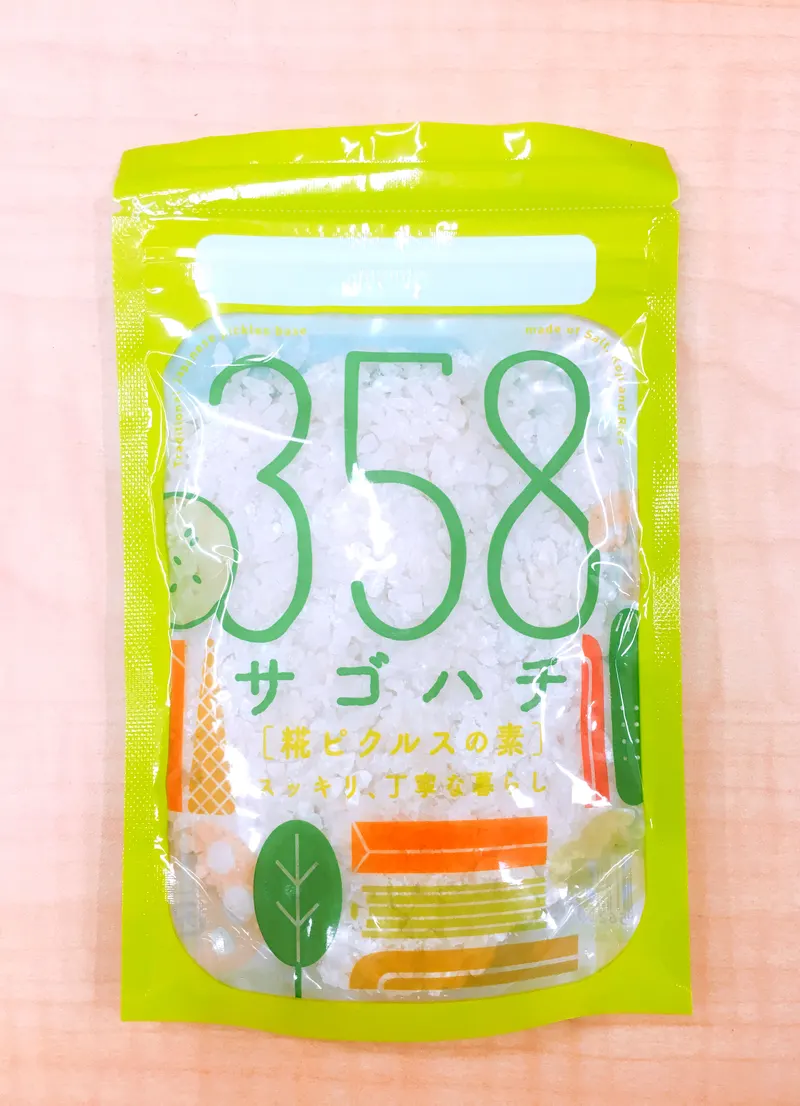
Cooked rice, rice koji and salt are mixed, put in a jar and kept for a month or more. Summer vegetables are rubbed with this sangohachi base and pickled overnight. The name is said to come from a 3:5:8 ratio of salt, koji and rice.
Amounts from a sourceServes 4, a recipe by Hiraide Mihoko on MAFF's regional cuisine site. Its 2:1:0.5 cups of rice, koji and salt is not the 3:5:8 of the name; one account holds that the old ratio was really 1:1:1.
Cooked rice2 cups
Cooked as usual and cooled to body warmth; cold rice or glutinous rice is also used[maff-sangohachi]
What changes:Rice is cooked and left to cool until it is just warm
Step 1 of 4
Cook the rice and cool it to body warmth
Time
Not documented
Temperature
60 °C
Reported
Salt
None given
Acidity
Not documented
Output: cooked rice at body warmth.
Flavour
Not documented
Texture
Not documented
Colour
Not documented
Microbes at work in this step
Not documented for this step.
Method
Measured measured in a studySet fixed by a specification or tested recipeReported one source reports itTypical a general value, not sourced for this fermentUnconfirmed not yet checked against a source
At a glance
Cooked rice, rice koji and salt are mixed, put in a jar and kept for a month or more. Summer vegetables are rubbed with this sangohachi base and pickled overnight. The name is said to come from a 3:5:8 ratio of salt, koji and rice. Made in 4 steps over 30 days. The longest step, store in a jar to ripen into the sangohachi base, takes at least 30 days (MAFF うちの郷土料理 (Our Regional Cuisines) 2026). Salt is 2 % (Kochi Prefecture agricultural portal (こうち農業ネッ…).
The base is made a month or more ahead from rice, koji and salt and kept, and the vegetables only spend a night in it. Shio-koji is said to descend from it; it is made without rice.
Kochi Prefecture's extension sheet has the base sealed in a crock or enamel container and kept in a cool, dark place, and the used bed topped up with leftover rice, koji and salt [kochi-sangohachi]. MAFF says modern recipes use less salt than the old ones [maff-sangohachi].