Side-by-side or overlay PDF diff driven by one engine that reads each file into a structured model — text, vector geometry, images, form fields, annotations — and compares the models. Moves show as moves, edits show only where they happened, and any PDF type works without picking a mode.
Open a STEP / STP part and it measures itself — volume, thinnest wall, draft and undercut checks on load, plus hole detection with a BOM. Measure, section, export STL. Rust + WASM B-rep kernel, runs in your browser.
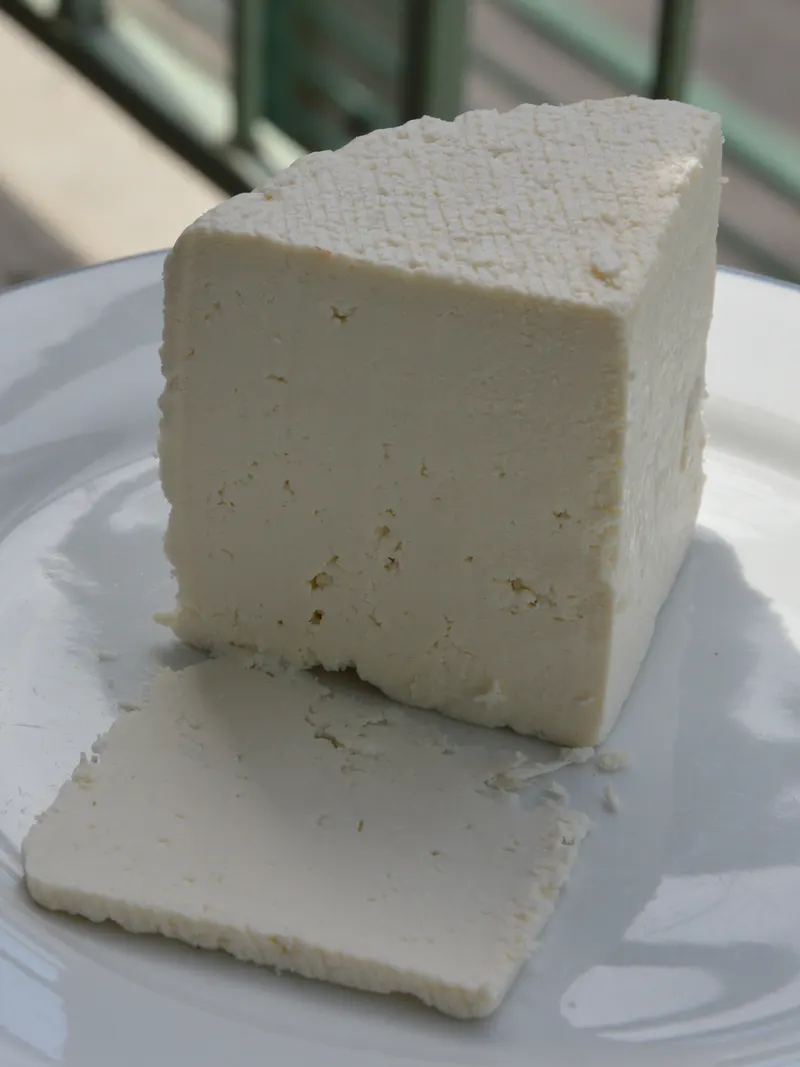
Urdă is a boundary entry, a whey cheese set by heat with no lactic fermentation and no ripening. Whey left from making kashkaval or white brined cheese is heated with stirring to 90 °C, sometimes with citric acid to bring it to pH 5.2–5.4, and held 20 minutes until the proteins float as curds. The curds drain about 8 hours and the soft, low-fat cheese is sold within days.
Amounts from a sourceAmounts are from an industrial study at a dairy in North Macedonia using cow-milk whey. The best yield was 58 g of urda per litre of kashkaval whey at pH 5.3.
none; whey cheese is made without lactic acid bacteria
Total time across the recorded steps: 12 h
Start
Drag the bar or press Play
What changes:Fresh sweet whey is drawn off from a rennet cheese
Step 1 of 4
Collect the fresh whey
Time
up to 2 h
Reported
Temperature
Not documented
Salt
None given
Acidity
pH 6.1–6.2
Measured
Flavour
Not documented
Texture
Not documented
Colour
Not documented
Microbes at work in this step
Not documented for this step.
Method
Measured measured in a studySet fixed by a specification or tested recipeReported one source reports itTypical a general value, not sourced for this fermentUnconfirmed not yet checked against a source
At a glance
Urdă is a boundary entry, a whey cheese set by heat with no lactic fermentation and no ripening. Whey left from making kashkaval or white brined cheese is heated with stirring to 90 °C, sometimes with citric acid to bring it to pH 5.2–5.4, and held 20 minutes until the proteins float as curds. The curds drain about 8 hours and the soft, low-fat cheese is sold within days. Made in 4 steps over 12 h. The longest step, drain, takes 8 h (Chadikovski A 2022) and runs at 19–21 °C (Chadikovski A 2022).
Chadikovski and colleagues call urda a Macedonian dairy product with a long tradition, usually made from the whey of kashkaval or 'beaten' cheese from sheep and cow milk. Bojanic Rasovic and colleagues (2017) describe it as a long-standing product of Montenegro's mountain areas, made mainly for its own use, fresh and unsalted, though it can be kept longer in a vat (kaca) and eaten as mature urda. Chadikovski and colleagues (2022) classify it as a low-fat soft albumin cheese.