Side-by-side or overlay PDF diff driven by one engine that reads each file into a structured model — text, vector geometry, images, form fields, annotations — and compares the models. Moves show as moves, edits show only where they happened, and any PDF type works without picking a mode.
Open a STEP / STP part and it measures itself — volume, thinnest wall, draft and undercut checks on load, plus hole detection with a BOM. Measure, section, export STL. Rust + WASM B-rep kernel, runs in your browser.
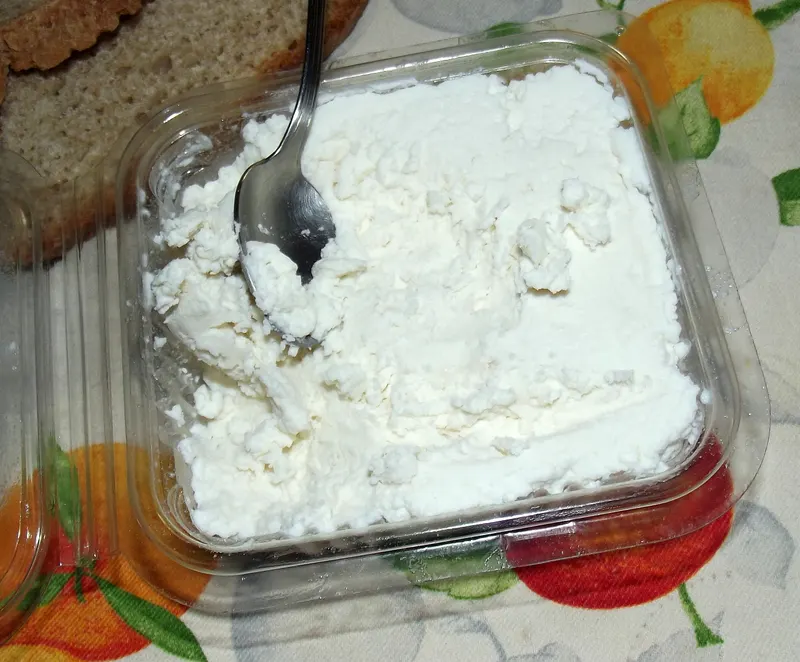
A fermented ricotta spread. Ricotta a few days old is cleaned of surface mould, kneaded to a cream and seeded with a small portion of finished brus, then kept at 8–10 °C and stirred for at least 30–40 days, with more young ricotta added until the tub is full. Unlike cheese brus it normally gets no spirits.
Total time across the recorded steps: 30 days – 40 days
Start
Drag the bar or press Play
What changes:Ricotta a few days old is scraped clean of surface mould
Step 1 of 4
Clean the ricotta of surface mould
Time
Not documented
Temperature
Not documented
Salt
None given
Acidity
Not documented
Flavour
Not documented
Texture
Not documented
Colour
Not documented
Microbes at work in this step
Not documented for this step.
Method
Measured measured in a studySet fixed by a specification or tested recipeReported one source reports itTypical a general value, not sourced for this fermentUnconfirmed not yet checked against a source
At a glance
A fermented ricotta spread. Ricotta a few days old is cleaned of surface mould, kneaded to a cream and seeded with a small portion of finished brus, then kept at 8–10 °C and stirred for at least 30–40 days, with more young ricotta added until the tub is full. Unlike cheese brus it normally gets no spirits. Made in 4 steps over 30 days – 40 days. The longest step, ripen cool, adding ricotta and stirring, takes 30–40 days (Regione Piemonte 2015) and runs at 8–10 °C (Regione Piemonte 2015).
Made from ricotta only, ripened cool at 8–10 °C with a little old brus as starter, and normally not finished with grappa or wine, where cheese brus is made from leftover cheeses at room temperature.
Type
Fermented ricotta spread, not a moulded cheese
Rind
None
Size
Glass jars of about 50 to 300 g (ONAF gives 0.150–0.200 kg)
The regional sheet notes that ricotta is heated hard but stays an ideal medium for microbes, so the tubs must be covered against insects and very moist ricotta avoided. It relies on the cheese brus survey, which tested some samples from some producers and found no Salmonella or Listeria monocytogenes. The sheet found no research on brus da ricotta itself, so that survey does not show this product is safe. Keep it refrigerated at 40 °F (4 °C) or colder, the CDC figure for perishable food.
Hazards the sources name: Salmonella spp. and Listeria monocytogenes (not found in a 2004 regional survey of the related cheese brus that tested some samples from some producers; the sheet found no research on brus da ricotta itself); Coagulase-positive staphylococci and E. coli (no high counts in the related brus samples except in one case, negative for E. coli O157; staphylococcal enterotoxins not detectable).