Side-by-side or overlay PDF diff driven by one engine that reads each file into a structured model — text, vector geometry, images, form fields, annotations — and compares the models. Moves show as moves, edits show only where they happened, and any PDF type works without picking a mode.
Open a STEP / STP part and it measures itself — volume, thinnest wall, draft and undercut checks on load, plus hole detection with a BOM. Measure, section, export STL. Rust + WASM B-rep kernel, runs in your browser.
Cormé is a sharp country drink made by fermenting the small pear-like fruit of the service tree (Sorbus domestica) in water. The 18th-century Encyclopédie fills a cask more than half full of firm, not yet ripe fruit, tops it up with water and leaves the bung open; Chaptal (1823) used oven-dried fruit at 8–10 kg per 100 litres of water and drew the drink after four or five days.
Amounts from a sourceChaptal (1823) gives 8 to 10 kg of dried fruit per 100 litres of water; the Encyclopédie gives only "more than half a cask" of fresh fruit topped up with water.
Oven-dried cormes (service-tree fruit)8–10 kg per 100 L water
Chaptal's method; the Encyclopédie instead fills a cask more than half full of fresh, firm, yellowish fruit[chaptal1823][encyclopedie-corme]
Total time across the recorded steps: 4 days – 5 days
Start
Drag the bar or press Play
What changes:Starting material: service-tree fruit knocked down in autumn
Step 1 of 5
Gather the fruit in autumn
Time
Not documented
Temperature
Not documented
Salt
None given
Acidity
Not documented
The Encyclopédie says cormes do not ripen on the tree and are knocked down in autumn; spread on straw they turn soft and sweet. For cormé it wants fruit not yet ripe, yellowish and firm. Output: firm service-tree fruit.
Flavour
Not documented
Texture
Not documented
Colour
Not documented
Microbes at work in this step
Not documented for this step.
Method
Measured measured in a studySet fixed by a specification or tested recipeReported one source reports itTypical a general value, not sourced for this fermentUnconfirmed not yet checked against a source
At a glance
Cormé is a sharp country drink made by fermenting the small pear-like fruit of the service tree (Sorbus domestica) in water. The 18th-century Encyclopédie fills a cask more than half full of firm, not yet ripe fruit, tops it up with water and leaves the bung open; Chaptal (1823) used oven-dried fruit at 8–10 kg per 100 litres of water and drew the drink after four or five days. Made in 5 steps over 4 days – 5 days. The longest step, ferment, takes 4–5 days (Chaptal J.-A. 1823).
Cormé is a piquette-style drink, fruit soaked in water rather than pressed juice, made from service-tree fruit. Cider made from pressed cormes, said to resemble perry, was also made near forests where the trees were common.
Cormé ciderPressed-fruit cider of cormes, made in some districts near forests; likened to perry.
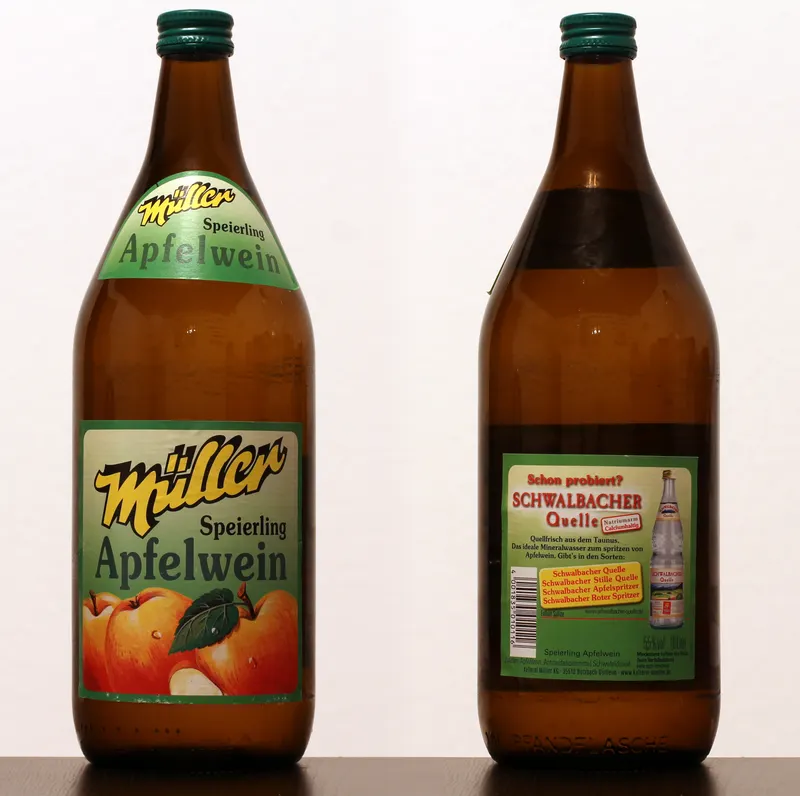
Speierling-Apfelwein (Frankfurt)French Wikipedia says cormé is still made near Frankfurt under this name and is not a cider despite the word Apfelwein. English Wikipedia instead describes service-tree fruit added in small amounts to Frankfurt apple wine; see `cider`.
Mixed-fruit piquetteChaptal adds one twentieth of dried cormes and one thirtieth of juniper berries to a dried apple and pear drink.
Safety
The Encyclopédie warns that it spoils in frost and in heat, so it was drunk in winter.
The Encyclopédie (1750s) describes cormé as a drink made in the countryside for servants. Chaptal (1823) still describes it, and the Maison rustique du XIXe siècle (1844) mentions a cider of cormes; the tree is now rare in France.
Starter
The sources we found do not say how its fermentation begins.
Microbes
No study we found names its microbes.
Temperature, salt and pH
The sources we found give no temperature, salt or pH figure for any of its steps.