Side-by-side or overlay PDF diff driven by one engine that reads each file into a structured model — text, vector geometry, images, form fields, annotations — and compares the models. Moves show as moves, edits show only where they happened, and any PDF type works without picking a mode.
Open a STEP / STP part and it measures itself — volume, thinnest wall, draft and undercut checks on load, plus hole detection with a BOM. Measure, section, export STL. Rust + WASM B-rep kernel, runs in your browser.
Alcoholic drinks from Gyodong, Gyeongju, North Gyeongsang, South Korea
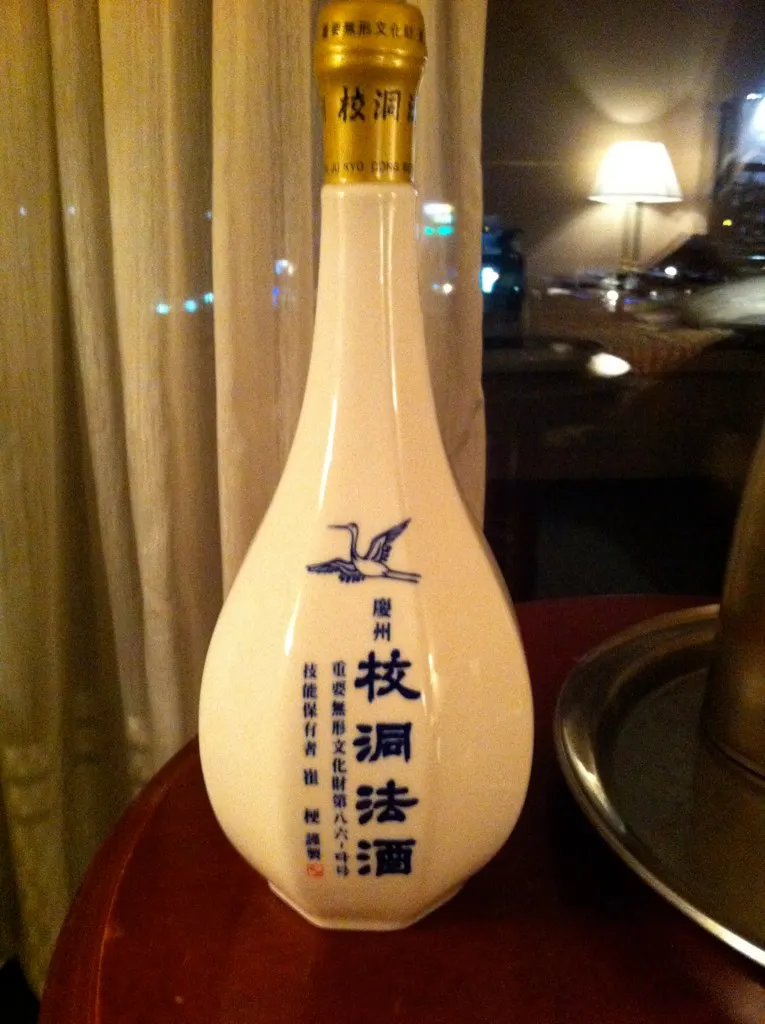
Gyeongju Gyodong beopju경주교동법주
Gyodong beopju is a clear glutinous-rice wine brewed for generations by the Choe family of Gyodong in Gyeongju. A base wine is brewed first with nuruk, then steamed rice, nuruk, the base wine and water go in for a second fermentation, and the wine takes about 100 days to make. It is pale yellow and clear, sweet with a slight sourness, and about 16–18 % alcohol.
Total time across the recorded steps: 2 months – 2.3 months
Start
Drag the bar or press Play
What changes:Well water is boiled hard and left to cool
Step 1 of 4
Boil and cool the well water
Time
Not documented
Temperature
Not documented
Salt
None given
Acidity
Not documented
Which microbes the steps name, step by step
Moulds
Yeasts
Penicillium
Aspergillus
Mucor
Output: brewing water.
Flavour
Not documented
Texture
Not documented
Colour
Not documented
Microbes at work in this step
Not documented for this step.
Method
Measured measured in a studySet fixed by a specification or tested recipeReported one source reports itTypical a general value, not sourced for this fermentUnconfirmed not yet checked against a source
At a glance
Gyodong beopju is a clear glutinous-rice wine brewed for generations by the Choe family of Gyodong in Gyeongju. A base wine is brewed first with nuruk, then steamed rice, nuruk, the base wine and water go in for a second fermentation, and the wine takes about 100 days to make. It is pale yellow and clear, sweet with a slight sourness, and about 16–18 % alcohol. Made in 4 steps over 2 months – 2.3 months. The longest step, add steamed rice, nuruk, the base wine and water for the second fermentation, takes 2 months (Yeongnam Ilbo 2023-06-07). In a study of Korean wheat nuruk (not of beopju), the most prominent fungi were Lichtheimia, Penicillium, Trametes, Aspergillus, Rhizomucor and Mucor, and the most prominent yeasts were Rhodotorula, Pichia, Debaryomyces, Saccharomycopsis and Torulaspora does most of the fermenting.
Gyodong beopju is brewed only from glutinous rice, nuruk and boiled well water, with a base wine and a second fermentation over about 100 days. The Choe family's wine and the beopju sold in large quantities as Gyeongju beopju share a similar name but differ in basic ingredients, method and taste.
The Gyeongju city webzine and a 2023 Yeongnam Ilbo report name Choe Guk-seon, an official of the royal kitchen office (Saongwon) under King Sukjong (r. 1674–1720), as the man who brought the palace wine to his own home. After he returned to Gyeongju, the wine was brewed by the daughters-in-law of the family for household occasions. A traditional-liquor tasting held before the 1986 Asian Games and the 1988 Olympics picked the beopju of Bae Yeong-sin, and it was designated a National Intangible Cultural Heritage on 1 November 1986. The word beopju itself is older. English Wikipedia says the 1124 Illustrated Account of Goryeo and the 1451 Goryeosa both mention it, and that it first meant rice wine from non-glutinous rice for official use such as ancestral rites, unlike the glutinous-rice Gyodong beopju.