Side-by-side or overlay PDF diff driven by one engine that reads each file into a structured model — text, vector geometry, images, form fields, annotations — and compares the models. Moves show as moves, edits show only where they happened, and any PDF type works without picking a mode.
Open a STEP / STP part and it measures itself — volume, thinnest wall, draft and undercut checks on load, plus hole detection with a BOM. Measure, section, export STL. Rust + WASM B-rep kernel, runs in your browser.
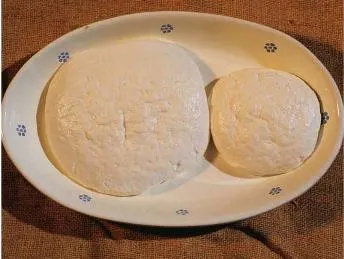
A boundary entry, a cacioricotta-type curd eaten fresh. Raw goat milk is heated over a wood fire in a tinned copper pot to 85–90 °C, which sets the whey proteins, then cooled to 36–38 °C and set with farm lamb or kid rennet in about 30 minutes. The curd is broken hard to rice-grain size, left to knit under the whey, shaped by hand into balls or eggs 10–25 cm across and lightly salted.
What changes:Raw goat milk is heated over a wood fire to 85–90 °C
Step 1 of 4
Heat the milk over a wood fire
Time
Not documented
Temperature
85–90 °C
Reported
Salt
None given
Acidity
Not documented
At this heat the whey proteins coagulate, as in cacioricotta.
Flavour
Not documented
Texture
Not documented
Colour
Not documented
Microbes at work in this step
Not documented for this step.
Method
Measured measured in a studySet fixed by a specification or tested recipeReported one source reports itTypical a general value, not sourced for this fermentUnconfirmed not yet checked against a source
At a glance
A boundary entry, a cacioricotta-type curd eaten fresh. Raw goat milk is heated over a wood fire in a tinned copper pot to 85–90 °C, which sets the whey proteins, then cooled to 36–38 °C and set with farm lamb or kid rennet in about 30 minutes. The curd is broken hard to rice-grain size, left to knit under the whey, shaped by hand into balls or eggs 10–25 cm across and lightly salted. Made in 4 steps over 30 min. The longest step, cool and set with rennet, takes 30 min (ALSIA (Agenzia lucana di sviluppo e innovazio…) and runs at 36–38 °C (ALSIA (Agenzia lucana di sviluppo e innovazio…).
Like a cacioricotta, the milk is first heated to 85–90 °C so the whey proteins set with the casein; it is shaped by hand rather than moulded and is not kept.
The milk is heated to 85–90 °C before rennet goes in; the cheese is eaten fresh and, per ONAF, kept at most briefly at 4 °C.
Hazards the sources name: Escherichia coli O157:H7 survived manufacture and 90 days of ripening in lab-contaminated goat cacioricotta, a related cheese.
ONAF says shepherds once took the fresh balls up to the pasture as food and used them as a gift or as payment for small favours. They were made from the curd left over after the day's goat cheeses were shaped. The curd was pressed by hand and wrapped in fern leaves. Local testimony shows it has been made for at least 25 years.
Starter
The sources we found do not say how its fermentation begins.