Side-by-side or overlay PDF diff driven by one engine that reads each file into a structured model — text, vector geometry, images, form fields, annotations — and compares the models. Moves show as moves, edits show only where they happened, and any PDF type works without picking a mode.
Open a STEP / STP part and it measures itself — volume, thinnest wall, draft and undercut checks on load, plus hole detection with a BOM. Measure, section, export STL. Rust + WASM B-rep kernel, runs in your browser.
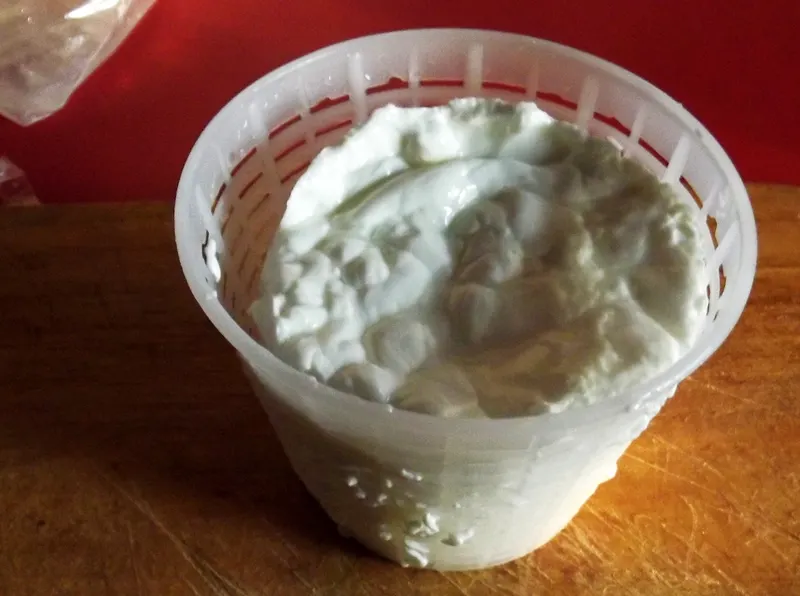
Freshly milked whole milk of Valdostana cows is warmed to about 36 °C in a copper cauldron and set with calf rennet. The curd is not cut; small portions are lifted into cloths or moulds to drain. The soft, white, creamy cheese is eaten within a couple of days, plain, with herbs or sweetened as a dessert.
No fixed amounts recordedHousehold practice with no fixed amounts; the regional sheet says the method was never fixed in writing. Forms are small and vary in size.
no starter or culture is named in the sheets; only calf rennet is added
Total time across the recorded steps: 2.1 days
Start
Drag the bar or press Play
What changes:Freshly milked cow milk is warmed to about 36 °C in a copper cauldron
Step 1 of 5
Warm the fresh milk
Time
Not documented
Temperature
36 °C
Reported
Salt
None given
Acidity
Not documented
Flavour
Not documented
Texture
Not documented
Colour
Not documented
Microbes at work in this step
Not documented for this step.
Method
Measured measured in a studySet fixed by a specification or tested recipeReported one source reports itTypical a general value, not sourced for this fermentUnconfirmed not yet checked against a source
At a glance
Freshly milked whole milk of Valdostana cows is warmed to about 36 °C in a copper cauldron and set with calf rennet. The curd is not cut; small portions are lifted into cloths or moulds to drain. The soft, white, creamy cheese is eaten within a couple of days, plain, with herbs or sweetened as a dessert. Made in 5 steps over 2.1 days. The longest step, chill and eat fresh, takes up to 2 days (ONAF (national organisation of cheese tasters)).
The milk is raw and the cheese is not ripened. The ONAF sheet has it chilled after making and eaten within 2 days. The US CDC says people at higher risk of Listeria infection, including pregnant women, people 65 or older and people with weak immunity, should avoid cheese made from raw milk unless it is heated to 165 °F (74 °C) or until steaming hot.
The name comes from the Franco-Provençal reblétchì, to milk again. Herdsmen were said to leave the cows part-milked and finish later, keeping the rich last milk out of the tax owed to owners. The regional sheet says the cheese was first described in detail by G.A. Negri in his 1957 book on the Valdostan cheesemaker.