Side-by-side or overlay PDF diff driven by one engine that reads each file into a structured model — text, vector geometry, images, form fields, annotations — and compares the models. Moves show as moves, edits show only where they happened, and any PDF type works without picking a mode.
Open a STEP / STP part and it measures itself — volume, thinnest wall, draft and undercut checks on load, plus hole detection with a BOM. Measure, section, export STL. Rust + WASM B-rep kernel, runs in your browser.
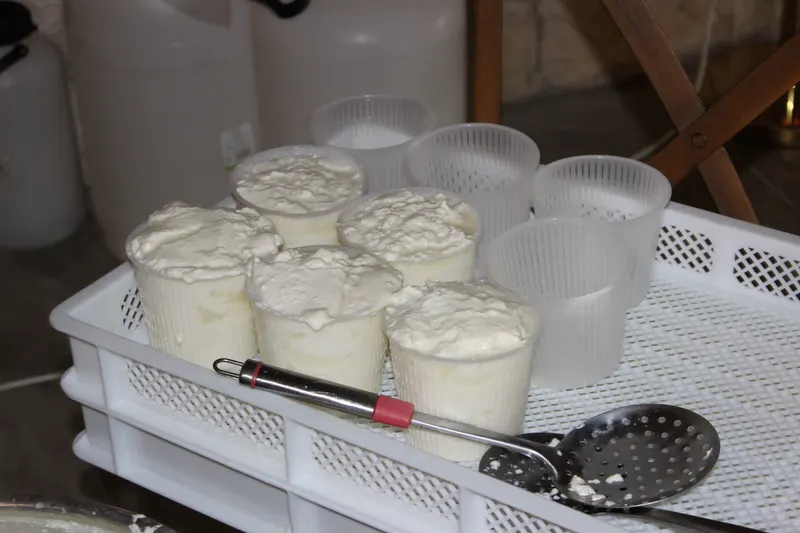
A boundary entry, set by heat and acid rather than by microbes. Whey left from making cow, sheep or goat cheese is heated to 80–85 °C, sometimes with a little milk or an acidifier, until the whey proteins float up as flakes. The ricotta drains in baskets, is salted by hand and dried for weeks to months, often in the open air, into a firm, crumbly grating cheese.
What changes:The whey is heated to 80–85 °C in a tinned copper cauldron
Step 1 of 5
Heat the whey
Time
Not documented
Temperature
80–85 °C
Reported
Salt
None given
Acidity
Not documented
Flavour
Not documented
Texture
Not documented
Colour
Not documented
Microbes at work in this step
Not documented for this step.
Method
Measured measured in a studySet fixed by a specification or tested recipeReported one source reports itTypical a general value, not sourced for this fermentUnconfirmed not yet checked against a source
At a glance
A boundary entry, set by heat and acid rather than by microbes. Whey left from making cow, sheep or goat cheese is heated to 80–85 °C, sometimes with a little milk or an acidifier, until the whey proteins float up as flakes. The ricotta drains in baskets, is salted by hand and dried for weeks to months, often in the open air, into a firm, crumbly grating cheese. Made in 5 steps over 11 days. The longest step, dry and ripen, takes at least 10 days (ALSIA Basilicata).
In Sicily the priest Gaetano Salamone wrote a treatise for farmers and cheesemakers in the late 1800s describing how ricotta was made. Salted ricotta was the old way to keep it longer than fresh ricotta.