Side-by-side or overlay PDF diff driven by one engine that reads each file into a structured model — text, vector geometry, images, form fields, annotations — and compares the models. Moves show as moves, edits show only where they happened, and any PDF type works without picking a mode.
Open a STEP / STP part and it measures itself — volume, thinnest wall, draft and undercut checks on load, plus hole detection with a BOM. Measure, section, export STL. Rust + WASM B-rep kernel, runs in your browser.
Cheese from France, on the border of Burgundy and Champagne
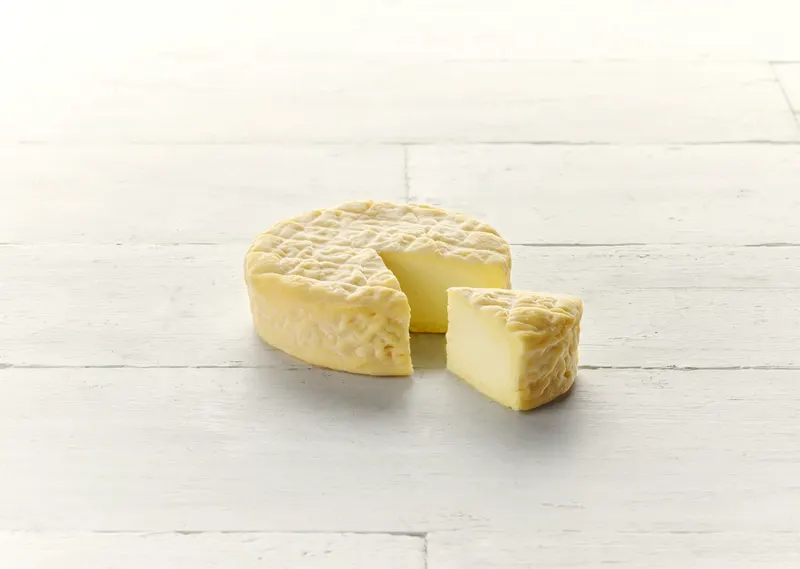
Soumaintrain PGI
Whole cow milk, sometimes seeded with commercial lactic cultures or whey, is set at 22–32 °C with animal rennet and left to curdle for at least 8 hours, so the curd is mainly lactic. The curd is ladled into moulds, drains on its own, is turned out after at least 20 hours and dry-salted. It ripens at 13 °C or below and is washed at least four times, for a total of at least 21 days from renneting.
What changes:Lactic cultures or whey go into the whole cow milk
Step 1 of 6
Mature the milk (optional)
Time
Not documented
Temperature
Not documented
Salt
None given
Acidity
Not documented
If the milk is matured, it is seeded before renneting with commercial lactic cultures or whey.
Flavour
Not documented
Texture
Not documented
Colour
Not documented
Microbes at work in this step
Not documented for this step.
Method
Measured measured in a studySet fixed by a specification or tested recipeReported one source reports itTypical a general value, not sourced for this fermentUnconfirmed not yet checked against a source
At a glance
Whole cow milk, sometimes seeded with commercial lactic cultures or whey, is set at 22–32 °C with animal rennet and left to curdle for at least 8 hours, so the curd is mainly lactic. The curd is ladled into moulds, drains on its own, is turned out after at least 20 hours and dry-salted. It ripens at 13 °C or below and is washed at least four times, for a total of at least 21 days from renneting. Made in 6 steps over 22 days. The longest step, ripen and wash the rind, takes at least 21 days (Ministère de l'agriculture 2016) and runs at up to 13 °C (Ministère de l'agriculture 2016). Lactic cultures (commercial strains or whey) that sour the milk; the specification names no species does most of the fermenting.
The specification does not say whether the milk must be raw or heat-treated. French Wikipedia says the cheese is made from raw or pasteurised milk. The CDC says people at higher risk, including pregnant women, people 65 or older and people with weak immunity, should avoid raw-milk cheese unless it is heated to 165 °F (74 °C) or until steaming hot. The specification bans freezing the milk, curd or fresh cheese and bans modified-atmosphere storage during ripening.
The specification links the cheese to the Cistercian abbey of Pontigny (founded 1117) and cites a description of its making in Bérillon's 'La Bonne Ménagère Agricole' (1889).